Karachi runs on chai. Not the chai latte that appears on Western menus in a paper cup with a caramel drizzle — the real thing: tea leaves boiled directly in full-fat buffalo milk, sugar added in quantities that would concern a cardiologist, the whole mixture reduced until it has the colour of burnt amber and the consistency of something that could stand a spoon upright. Doodh patti — milk tea, literally — is the operating system of this city. Everything runs on it. Every negotiation, every late-night conversation, every waiting period, every post-funeral gathering and pre-wedding morning is structured around cups of it.
This guide documents the specific establishments and traditions that make Karachi's chai culture genuinely worth a dedicated investigation.
Burns Road: The Irani Chai Houses
The Irani chai tradition in Karachi traces back to the significant Iranian immigrant community that settled in the city in the early 20th century, bringing with them a tea culture built around long sitting, slow conversation, and glasses rather than cups. The Irani chai houses on Dr. Ziauddin Ahmed Road (which runs parallel to Burns Road) have been operating, in some cases, since the 1940s. Cafe Firdaus and Irani Hotel Shalimar are the names to find: small, high-ceilinged rooms with marble-topped tables, elderly waiters who have been serving in the same spot for thirty years, and tea that comes pre-sweetened in a glass with a bun or toast on the side.
The Irani chai is a slightly different animal from standard doodh patti — the tea-to-milk ratio is more balanced, the sweetness more restrained, and there is often a faint cardamom note that the Karachi street version does not typically include. It is a contemplative chai rather than a fuel chai. Go between 7am and 10am for the full experience, when the breakfast crowd fills the space and the morning light comes through the old wooden-framed windows. Cost: Rs. 40–60 per glass.
Chai Wala at Do Darya: Sea Air and Sweet Tea
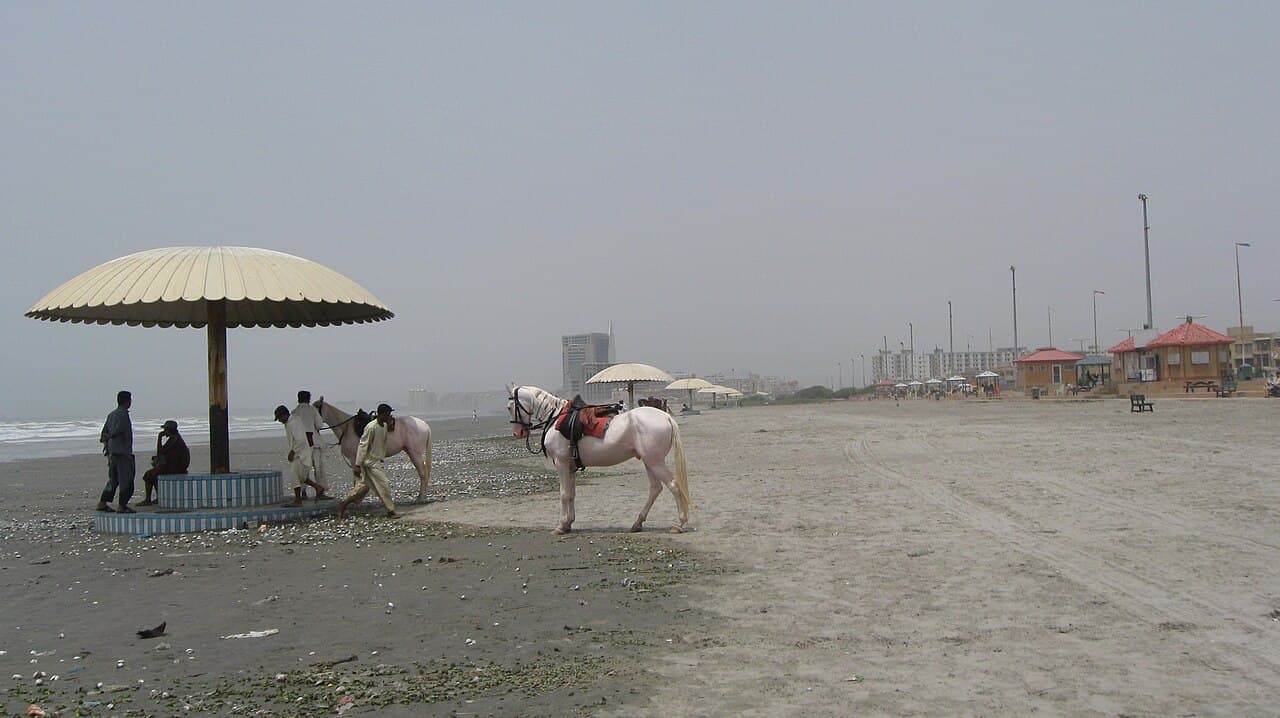
The chai vendor who has operated at the edge of the Do Darya restaurant strip at Sea View for over a decade occupies a position of considerable informal authority among Karachi food people. The setup is minimal — a pushcart, a gas burner, a large aluminium pot, and a small plastic stool or two for those willing to stand — but the chai is remarkable: dark, intense, sweetened with a confidence that never tips into cloying, and served in small clay cups (kulhads) that add a faint earthiness to the drink. The sea breeze and the sight of the Arabian Sea make everything taste better. Rs. 30–40 per cup.
The Do Darya area in the evenings becomes one of Karachi's great informal gathering places. The chai cart functions as the anchor around which conversations begin — families finishing dinner at a restaurant, couples on evening walks, groups of friends who have made it a fixed point in their weekly geography. The anonymity of a street chai cart creates a particular kind of social ease that indoor venues cannot replicate.
Pak Tea House: The Revival
Pak Tea House on Mall Road (now Shahrah-e-Liaquat in Saddar) is Karachi's most historically charged chai establishment — a café that in the 1950s and 1960s served as the gathering point for Pakistani intellectuals, progressive writers, journalists, and artists at a formative moment in the country's cultural history. The progressive literary movement known as the Halqa-e-Arbab-e-Zauq held sessions here. Faiz Ahmed Faiz sat in these chairs. The building fell into disrepair and periodic closure over the subsequent decades but has been reopened and refurbished, retaining enough of the original atmosphere — high ceilings, wooden furniture, framed photographs of the literary regulars — to feel like a genuine continuity rather than a nostalgia exercise.
The chai served here is good, not exceptional — the point is the space and its history rather than the tea itself. Order a pot (Rs. 150–200 for two), sit for an hour, and think about what this room has contained. There is usually a revolving display of books, photographs, or artwork on the walls connected to Pakistani literary or artistic history. Weekend afternoons see a crowd of students and young professionals who are aware of the history and treating the space accordingly.
Nazimabad: The Corner Dhaba Standard
The Nazimabad neighbourhood — the large, middle-class residential area in central-north Karachi that was built in the 1950s as planned housing for Partition-era migrants — has its own tea culture built around the corner dhaba: a small, often open-fronted tea stall at intersections or beside mosques that serves the immediate neighbourhood from before Fajr prayer until well after midnight. These are not destination spots; they are neighbourhood infrastructure.
The best one in any given part of Nazimabad is the one the locals know. To find it, ask at a petrol station or a general store where the neighbourhood goes for chai and follow the direction they point. The tea at a good Nazimabad dhaba — boiled long and hard, almost black in colour despite the milk content, sweetened with white sugar to a specific level that the regulars specify by habit — is a direct line to the working-class domestic culture of the city. Bun with butter (Rs. 20) alongside a glass of doodh patti (Rs. 30) is the standard order. Nobody hurries you out.
Neighbourhood Tea Stalls Worth Knowing Specifically
- Ali Bhai Chai, Block 3 Nazimabad near Nagan Chowrangi: famous among the post-Isha crowd for the extra-strong blend and the khari biscuit served alongside
- Kareem Chai Stall, F.B. Area Block 6 near the masjid: runs 24 hours, known for adding a touch of kewra essence to the evening chai — a detail that regular customers notice and newcomers find inexplicably comforting
- Hussain Tea Corner, SITE Area near the main gate: serves the overnight industrial shift workers, open from 9pm to 8am only, a temporal inversion that makes it the last truly nocturnal neighbourhood chai experience in the city
Lyari's Unique Chai Culture
Lyari — the dense, historically marginalised, and culturally rich neighbourhood west of the city centre — has a tea culture shaped by its Baloch majority population and its long history of relative isolation from the city's mainstream. Lyari's chai is typically lighter and more aromatic than the Burns Road standard, sometimes made with green tea leaves (qehwa) rather than black, and served in smaller quantities with dried fruit or nuts alongside. The tradition has roots in Balochistan's mountain tea customs and sits in interesting contrast to the full-fat intensity of the rest of the city's tea.
Visiting Lyari specifically for chai requires a local contact or guide — the neighbourhood rewards engagement but is not set up for casual tourism. The payoff is significant: the tea houses in the older lanes near Chakiwara and Baghdadi are among the most atmospheric spaces in the entire city, and the hospitality extended to a genuine guest is, in keeping with Baloch tradition, unconditional and somewhat overwhelming in its generosity.
The Chai Order Vocabulary
Before your first serious chai encounter, learn these specifications. At any Karachi street stall, the following distinctions are understood and honoured:
- Karak: strong, with minimal water — the most intense version
- Zyada doodh: extra milk — lighter colour, creamier, less bitter
- Kam cheeni: less sugar — for the health-conscious or the uninitiated
- Elaichi wali: with cardamom — the aromatic version
- Adrak wali: with fresh ginger — warming, slightly sharp, the cold-weather preference
At any of the establishments in this guide, specifying any of these will be understood immediately and executed without hesitation. The chai culture's sophistication is encoded in its vocabulary.