A strong family indoor day in Karachi needs one spacious anchor, one contrasting collection and enough empty time for children to stop looking. The goal is not to keep everyone indoors for eight hours; it is to reduce exposure to difficult weather while turning museum displays into manageable questions for different ages.
This guide uses the Pakistan Maritime Museum and National Museum as alternative anchors, with Quaid-e-Azam House as a smaller, biography-led option. Confirm current openings, admission, facilities and accessibility directly, because official pages do not provide one reliable, unified family-planning feed.
At a glance
Start here
- Pick one anchor museum and cap the day at one optional second interior.
- Break galleries into short missions based on objects, materials and stories.
- Keep food, prayer, toilet, sensory and transport needs in the plan without assuming facilities.
- Use PMD's current forecast to decide whether any outdoor display or garden segment belongs in the day.
01
Choose the anchor by attention style
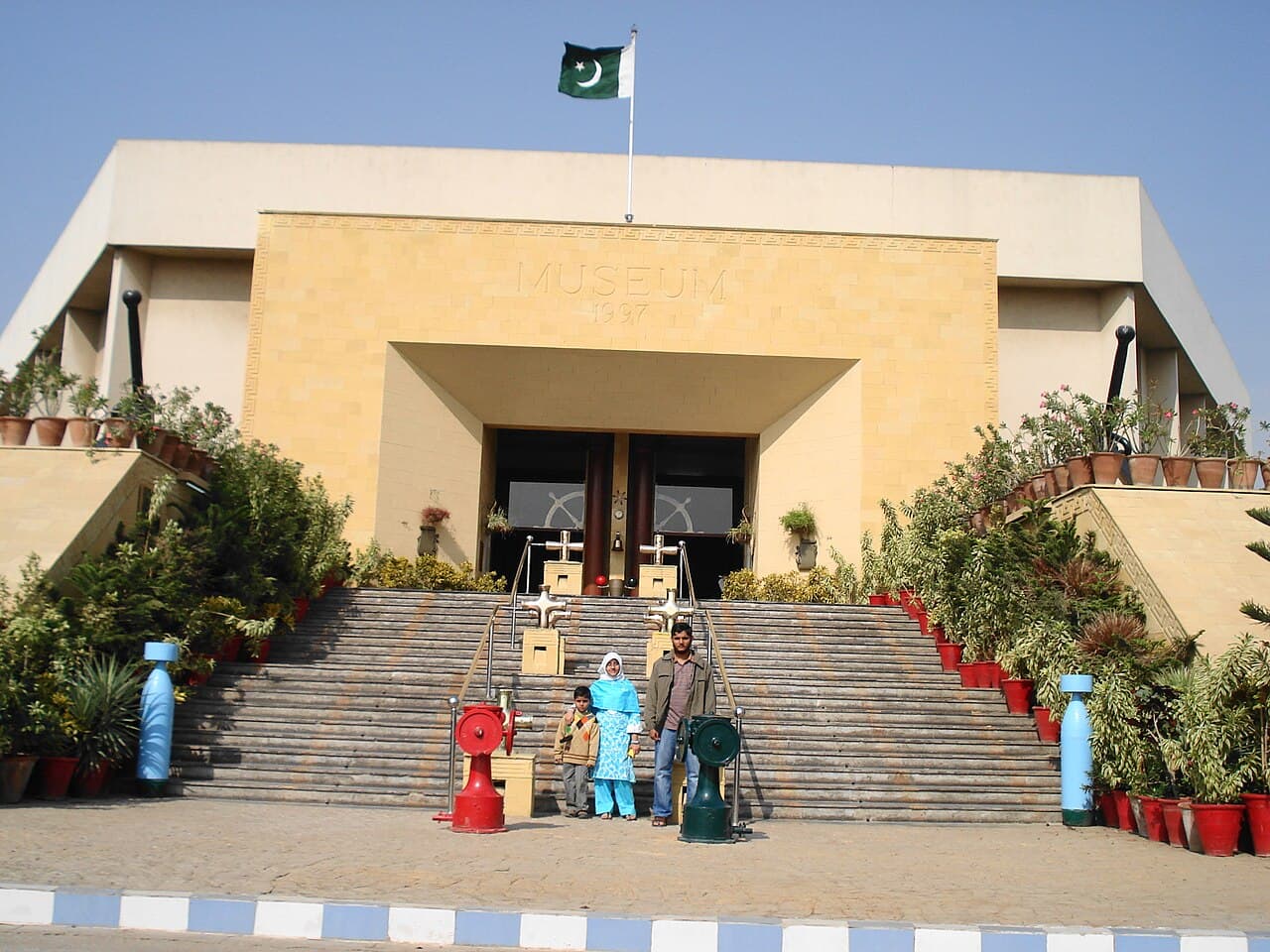
Choose the Maritime Museum when the group responds to scale, machinery, models and the contrast between indoor and open-air exhibits. Its official exhibition page describes vintage equipment, paintings, dioramas, murals, interactive kiosks, nine galleries and eleven displays across a three-floor building and landscaped grounds. Choose the National Museum when the family prefers objects arranged across a long historical span, from Indus and Gandhara material to Islamic art, coins, manuscripts and political history. These descriptions help match interests; they do not guarantee that every gallery, kiosk or outdoor exhibit is working on the day. Ask the venue directly before making a promise to children.
Sources: Pakistan Maritime Museum; Department of Archaeology and Museums, Government of Pakistan02
Build a 90-minute core without a race
Divide the anchor into three missions rather than scheduling every room. Mission one is orientation: find the building plan and let each person choose a display type. Mission two is close looking: spend real time with three objects. Mission three is explanation: each person shares one connection between two displays. Ninety minutes is an editorial planning ceiling, not a museum rule; shorten it when energy drops and extend it only when the group is genuinely engaged. A family day improves when leaving early is allowed. Confirm bag, stroller, photography and food rules at the entrance instead of assuming that practices from another museum apply.
- Orientation: decide where not to go.
- Close looking: choose three objects, not thirty.
- Explanation: tell one evidence-based story before the break.
03
Ask what makes an object maritime
At the Maritime Museum, avoid reducing the visit to large hardware. Ask what job each object performed, whether it operated on a ship or supported activity from land, and how a model differs from an artefact. The museum says its mission is to preserve maritime relics, exhibits and artefacts and educate visitors about maritime history; its galleries include visual media and equipment rather than one single object type. Children can sort evidence into navigation, communication, defence, work and memory. Keep the categories provisional: the learning comes from testing them against labels, not from announcing an answer before anyone looks.
Sources: Pakistan Maritime Museum; Pakistan Maritime Museum04
Use the National Museum as a time map
At the National Museum, give each family member a different evidence category: coin, manuscript, sculpture, everyday material or personal belonging. The official page identifies all of those collection types and also describes an ethnological gallery. Place chosen objects on a simple before-and-after line, but allow an honest unknown when a label does not supply a date. Older children can ask who collected or displayed an item and why; younger children can compare material, size and repeated symbols. Do not ask them to cover every civilisation named on the page. A smaller set of well-observed objects gives the family something concrete to discuss after leaving.
Sources: Department of Archaeology and Museums, Government of Pakistan05
Use a historic house for biography
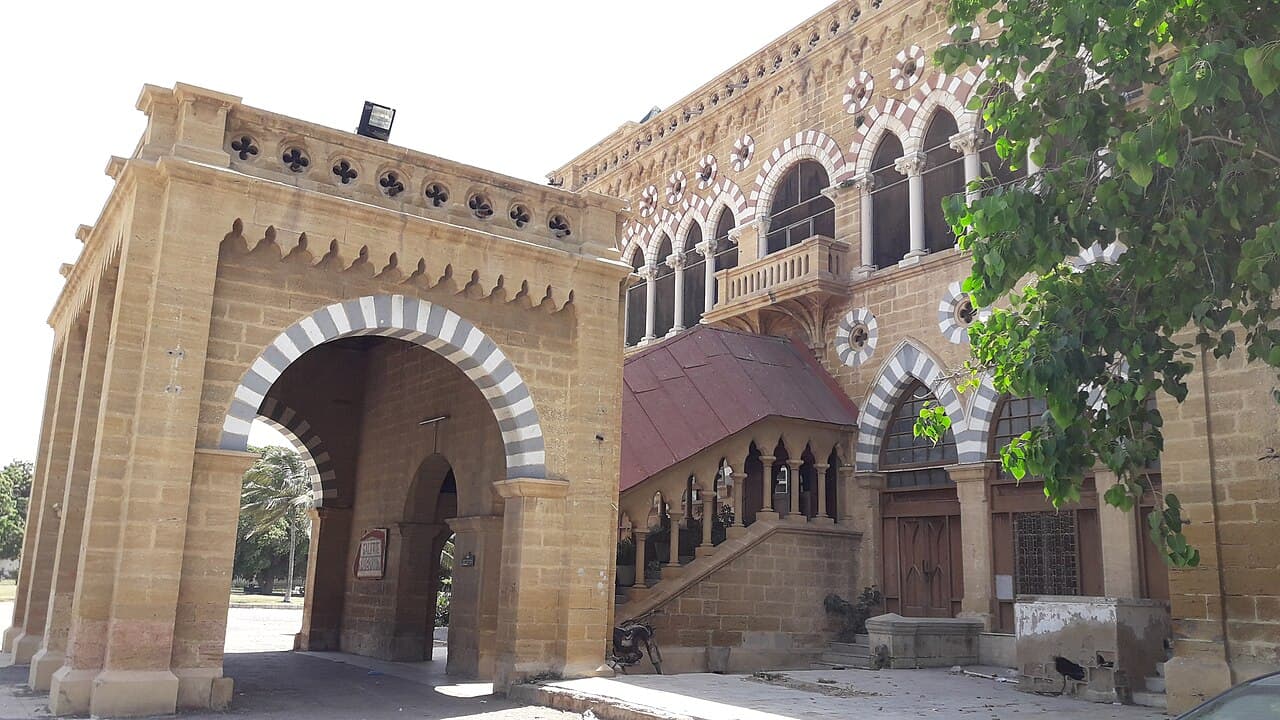
Quaid-e-Azam House Museum offers a different scale: a yellow-stone, double-storey residence in Staff Lines rather than a purpose-built national survey. Sindh Antiquities says Muhammad Ali Jinnah purchased the house from former Karachi mayor Sorab Kavasji Katrak in 1943. A family can compare what a house communicates through rooms, materials and personal association with what a national museum communicates through classified collections. Do not reproduce the old price and hours shown on the official page as current facts; contact the museum to confirm them. Choose this option only if the group wants a focused biography and can manage the additional transfer.
Sources: Directorate General of Antiquities and Archaeology, Government of Sindh06
Plan needs before they become problems
Before departure, ask each venue about the specific needs of your group: step-free entry, working lifts, accessible toilets, seating, prayer arrangements, nursing space, food policy and a quiet place to pause. Do not treat a photograph, landscaped ground or the word family as an accessibility guarantee. Carry only what the institution permits and keep medication or essential supplies with the responsible adult. Agree on a meeting point at the entrance and photograph the exact drop-off landmark for the driver. These are editorial safeguards. They remain useful even when the venue confirms every facility, because a mixed-age group still needs a shared exit plan.
07
Let current weather control the outdoor piece
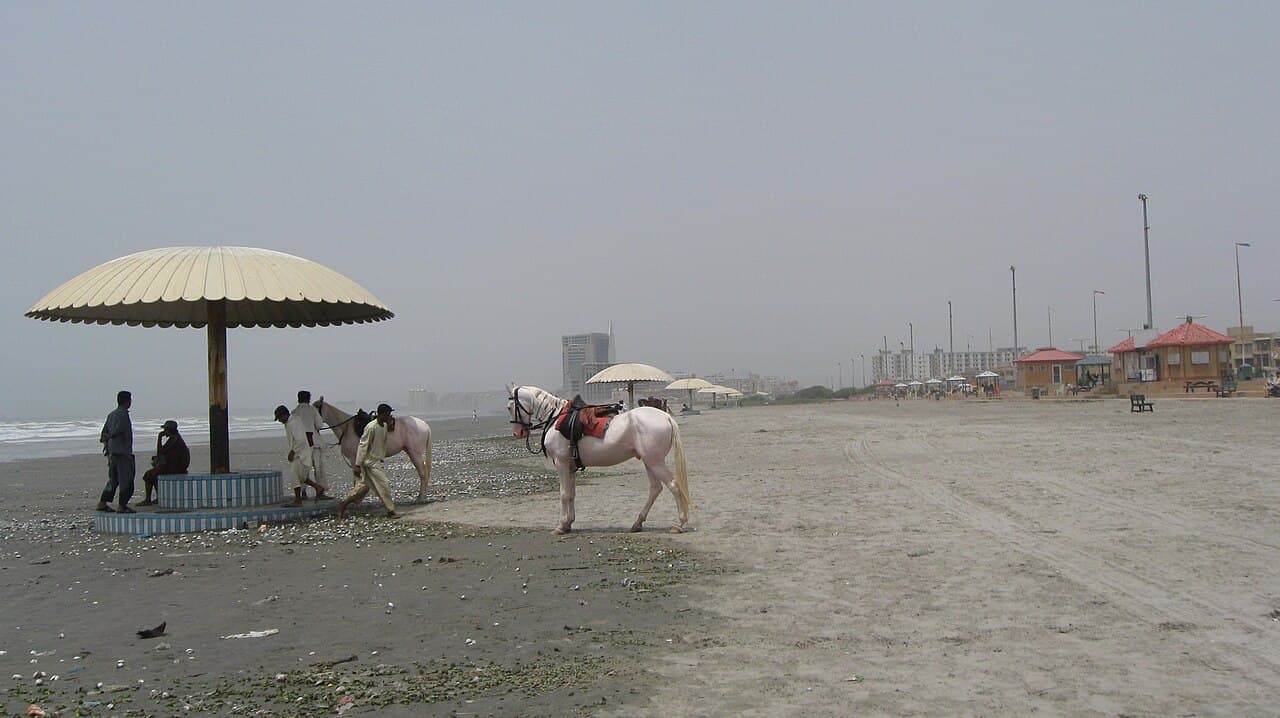
The Maritime Museum includes open-air displays and landscaped land, while the National Museum sits in Burns Garden. Neither fact makes an outdoor segment suitable in heat, rain, poor air or strong wind. Check PMD's current Karachi forecast before leaving and again before stepping outside; verify that the forecast timestamp is current. If conditions are difficult, keep the visit to confirmed indoor areas and shorten the day. If official advice closes a venue or discourages travel, use a home follow-up: draw one remembered object, label the evidence and write a question for a future visit. The backup preserves the learning objective without pretending that every family day must be completed as designed.
Sources: Pakistan Maritime Museum; Department of Archaeology and Museums, Government of Pakistan; Pakistan Meteorological DepartmentUseful answers
Reader questions
Which museum is better for young children?
There is no universal choice. The Maritime Museum may suit children drawn to large objects and models; the National Museum may suit children who enjoy art, coins and ancient material. Ask what is currently open before deciding.
Sources: Pakistan Maritime Museum; Department of Archaeology and Museums, Government of PakistanShould we promise the outdoor exhibits?
No. Treat them as optional because current weather, maintenance and access can change. The indoor core should work without them.
Sources: Pakistan Maritime Museum; Pakistan Meteorological DepartmentCan food be taken into galleries?
Do not assume it can. Ask the institution about food, water and bag rules, and plan the meal as a separate stop unless staff direct otherwise.
Sources:How many venues should a family attempt?
One anchor plus one optional contrasting venue is enough for most mixed-age groups. Drop the second venue when attention, weather or traffic makes the transfer unhelpful.
Sources:Read the evidence
Sources and further reading
These sources support the relevant sections above. Plans and comparisons are editorial suggestions. Check operators for current arrangements.
- Exhibitions ↗Pakistan Maritime Museum · Accessed 14 September 2026
The range and format of the museum's described indoor and open-air displays.
- About Us ↗Pakistan Maritime Museum · Accessed 14 September 2026
The museum's stated preservation and public-education mission.
- National Museum of Pakistan, Karachi ↗Department of Archaeology and Museums, Government of Pakistan · Accessed 14 September 2026
The National Museum's collection categories, setting and institutional history.
- QUAID-E-AZAM HOUSE MUSEUM, KARACHI ↗Directorate General of Antiquities and Archaeology, Government of Sindh · Accessed 14 September 2026
The house's location, architectural description and 1943 purchase by Muhammad Ali Jinnah.
- Pakistan Meteorological Department - PMD ↗Pakistan Meteorological Department · Accessed 14 September 2026
The availability of official Karachi and Sindh weather forecasting; no archived reading is asserted as current.