Karachi's food and language cannot be reduced to a tidy list of communities and signature dishes. A port drew trade, institutions and movement; Partition and later migrations enlarged the city's linguistic and culinary repertoire; neighbourhood markets turned inherited recipes into everyday Karachi forms. The result is overlap, adaptation and argument, not a museum case with a single label.
Official sources can establish the city's diversity, port growth, heritage quarters and museum categories. They cannot prove that every menu item belongs to one group or that all speakers use a word in the same way. This feature keeps that boundary visible.
At a glance
Start here
- Port growth created conditions for movement without explaining every later migration.
- Official municipal documents describe Karachi as highly diverse and home to communities from across Pakistan.
- Food names and everyday vocabulary are clues that require corroboration, not origin certificates.
- Neighbourhood, institution and family history often matter more than a citywide claim.
01
A port creates infrastructure for arrival
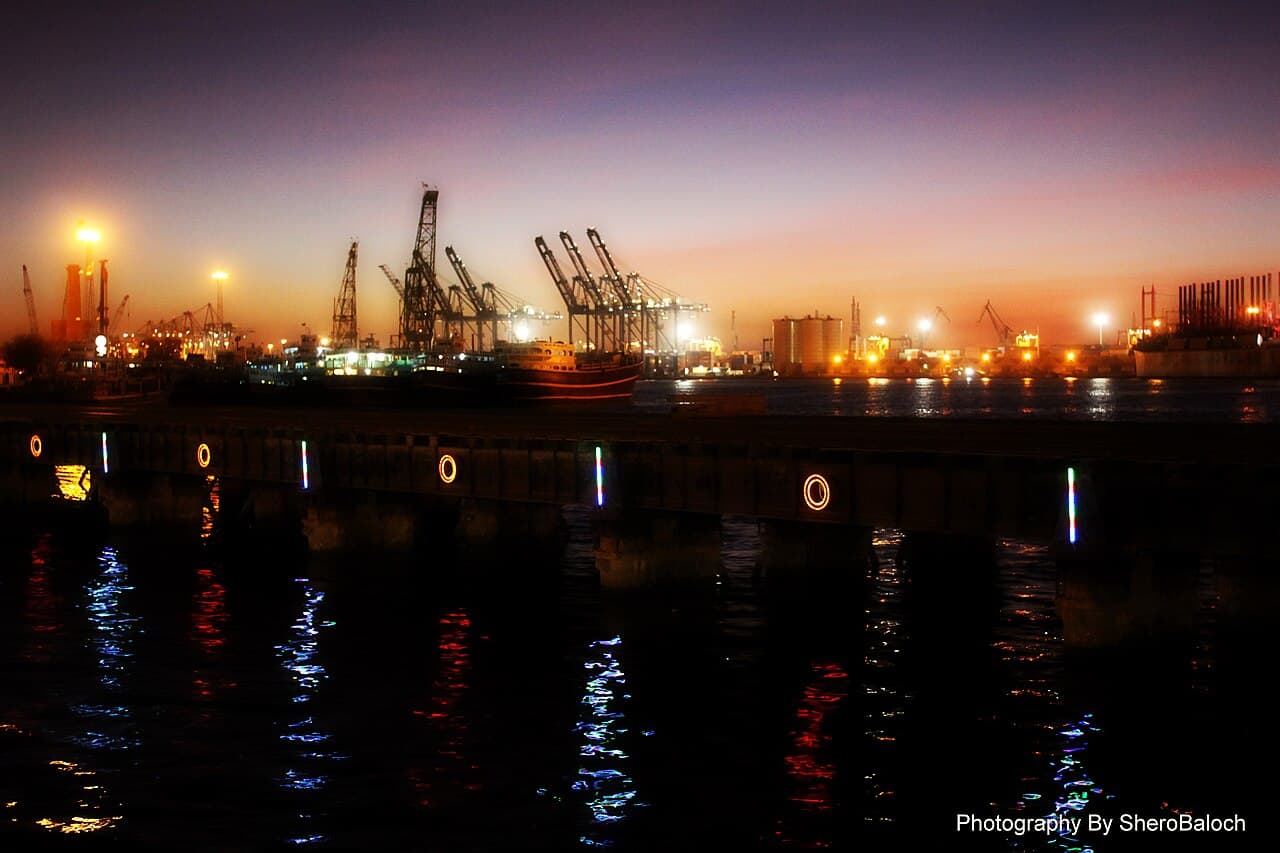
KPT's history links nineteenth-century harbour development with new companies, warehouses, rising trade and population growth. By its account, Karachi was an established trading city by 1852, with the navigation channel and connecting works developed soon after. This does not prove a straight line from one wharf to a particular dish. It establishes the wider condition: ports concentrate transport, employment, brokerage and exchange, making repeated movement more likely. Food businesses and multilingual transactions emerge within that urban economy, but their precise histories must be traced through families, neighbourhood records and dated sources rather than inferred from the word port alone.
Sources: Karachi Port Trust02
Diversity is visible in city records
The Government of Sindh's Competitive and Livable City of Karachi project describes Karachi as cosmopolitan and marked by linguistic, ethnic and religious diversity. Its environmental framework adds historical context about migration from Pakistan's provinces and other South Asian countries. These are broad institutional descriptions, not a licence to assign a dish, accent or neighbourhood to one community. Their value is narrower: they establish that plurality belongs to the city's documented social setting, while individual histories still require more specific evidence.
Sources: Government of Sindh; Government of Sindh03
Museums turn plurality into categories
The National Museum's official page describes an ethnological gallery representing ethnicities from Pakistan's four provinces, alongside clothing, pottery and other material culture. That curatorial arrangement can help visitors compare forms, but it also shows the limits of fixed categories. A living city does not organise itself into separate gallery cases: people marry, move, borrow words, change ingredients and sell food to customers with different histories. Use museum labels to learn documented names and materials, then resist treating them as a complete map of contemporary Karachi. The city's cultural life happens through contact between categories as much as through their preservation.
Sources: Department of Archaeology and Museums, Government of Pakistan04
Heritage quarters form a street archive
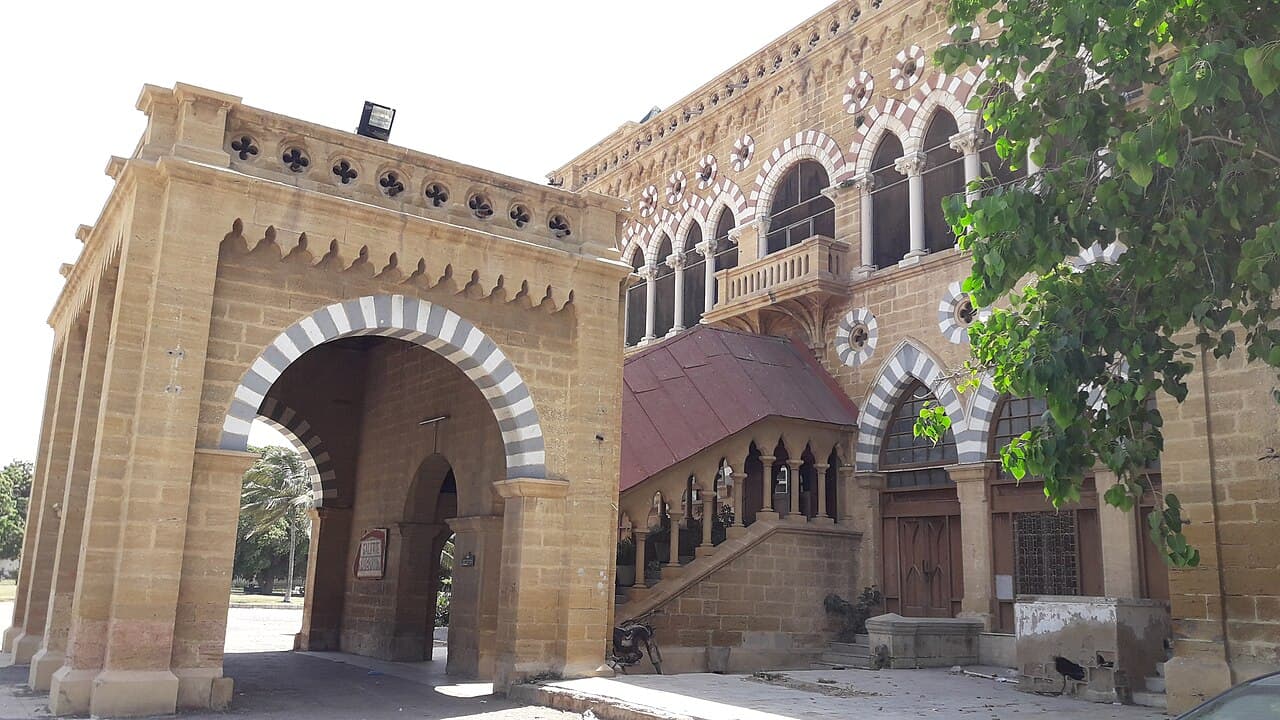
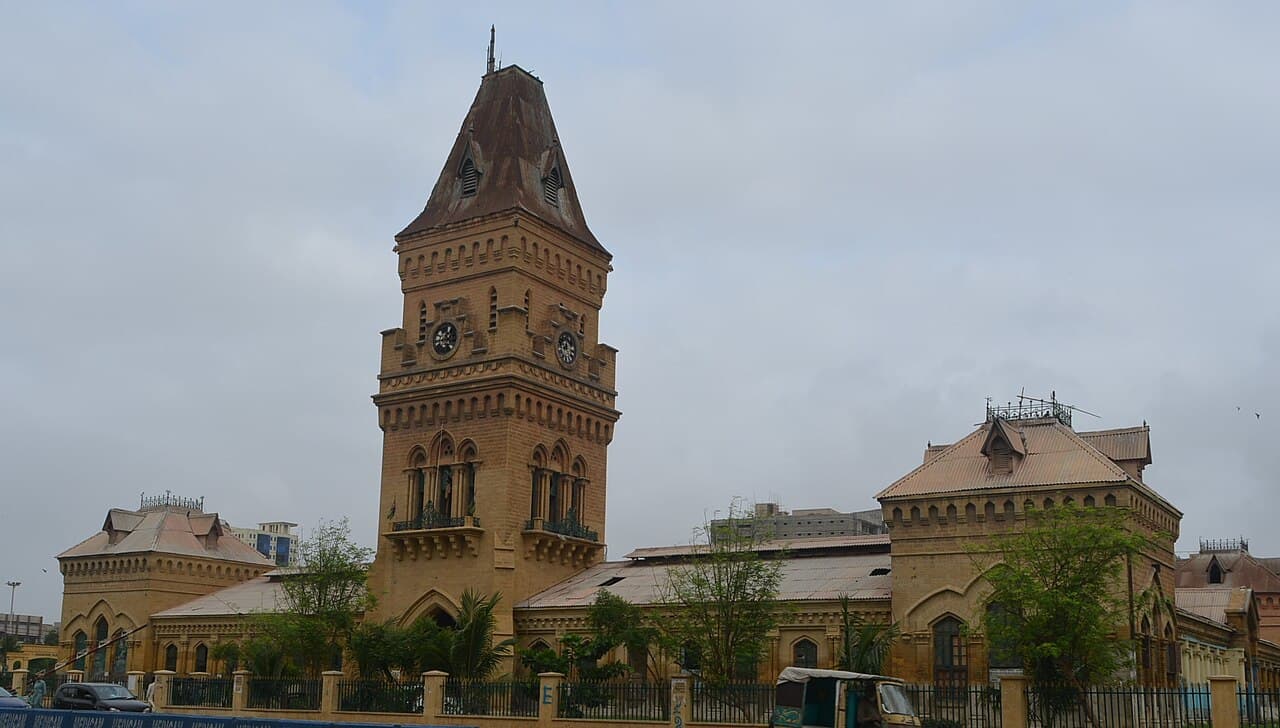
Sindh Antiquities organises heritage notifications through named Karachi quarters including Bunder, Civil Lines, Machi Miani, Market, Napiers, Old Clifton, Railway, Ramsuwami, Saddar Bazaar, Sirai and Soldier Bazaar. These administrative geographies preserve traces of function, planning and older naming systems. They should not be converted into rigid maps of current community identity. Instead, compare how place names, building types, worship spaces, markets and street businesses coexist. A food name encountered in a quarter may reflect a vendor's family history, a customer base, a marketing choice or decades of adaptation; the street supplies context, not automatic proof of origin.
Sources: Directorate General of Antiquities and Archaeology, Government of Sindh06
Recipes change through supply and audience
Migration carries techniques, preferences and memory, but a city also changes what can be cooked. Ingredient supply, kitchen space, fuel, price, religious practice, working hours and customer expectations can alter form and portion. That is why a dish associated with one region may acquire a Karachi version without ceasing to hold meaning for people from elsewhere. Avoid ranking the result as authentic or diluted unless a clearly identified tradition defines the terms. A better question is what stayed stable, what changed and who made that decision. The answer may differ between a home, a street stall and a formal restaurant even when all use the same dish name.
07
Language shows belonging and practical work
Everyday multilingualism performs practical tasks: attracting a customer, clarifying an order, signalling familiarity or translating between generations. It can also mark exclusion, status or unequal power. Do not romanticise every code-switch as effortless harmony, and do not infer a person's ethnicity from accent or vocabulary. The municipal sources establish broad linguistic diversity; they do not license profiling individual speakers. For a careful cultural notebook, record public words on signs and menus, ask consent before documenting personal speech, and note the situation in which a term was used. Context turns a colourful word list into evidence about urban interaction.
Sources: Government of Sindh08
Build a responsible food history
A defensible Karachi food story needs at least three layers: a dated institutional history for the city's wider movement, a documented neighbourhood or family history, and direct evidence from the establishment being described. Port and municipal pages can support the first layer; heritage inventories help locate the second; menus, interviews and archives may supply the third when properly sourced. If only the first layer is available, publish a question or observation instead of a false certainty. This method produces fewer dramatic origin claims but a richer picture of Karachi: food and language as continuing negotiations among memory, work, place and new audiences.
Sources: Karachi Port Trust; Directorate General of Antiquities and Archaeology, Government of SindhUseful answers
Reader questions
Can one dish represent one Karachi community?
Usually not without careful qualification. Dishes move between homes, businesses and audiences, and the same name may cover different histories and recipes.
Sources:What do official sources prove about migration?
Sindh government project documents describe broad ethnic and linguistic diversity and migration, while KPT records show the trade and infrastructure context that supported movement. They do not prove individual family histories.
Sources: Government of Sindh; Government of Sindh; Karachi Port TrustIs a dish name proof of where it originated?
No. A name is a clue. Establishment records, family testimony, dated menus and wider historical sources are needed before making an origin claim.
Sources:How should I ask a vendor about history?
Ask what the name means in that establishment, whether the recipe changed and whether the person is comfortable being cited. Do not ask them to speak for an entire community.
Sources:Read the evidence
Sources and further reading
These sources support the relevant sections above. Plans and comparisons are editorial suggestions. Check operators for current arrangements.
- KPT History ↗Karachi Port Trust · Accessed 14 September 2026
The relationship between port development, companies, trade and population growth.
- Competitive and Livable City of Karachi ↗Government of Sindh · Accessed 14 September 2026
The provincial project's description of Karachi as cosmopolitan and linguistically, ethnically and religiously diverse.
- Environmental Management Framework ↗Government of Sindh · Accessed 14 September 2026
The project framework's broad description of Karachi's diversity and migration context.
- National Museum of Pakistan, Karachi ↗Department of Archaeology and Museums, Government of Pakistan · Accessed 14 September 2026
The described ethnological gallery and material-culture collection categories.
- Notification ↗Directorate General of Antiquities and Archaeology, Government of Sindh · Accessed 14 September 2026
The official list of named Karachi heritage quarters.